
CRECCOM Joins Regional Education and Climate Change Dialogue

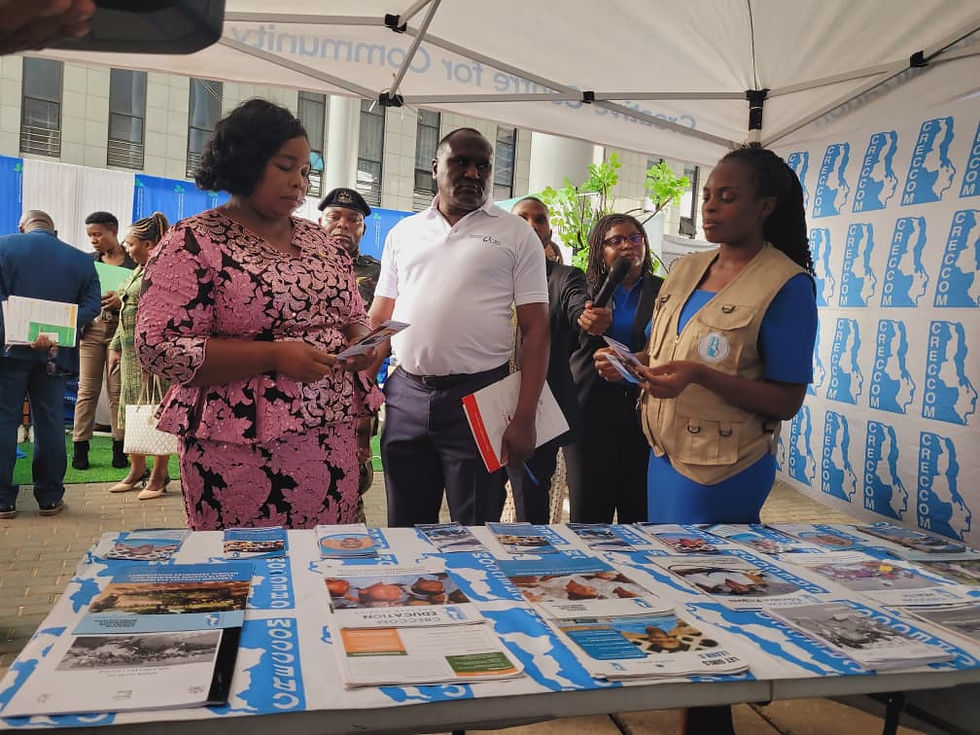
The Creative Centre for Community Mobilisation (CRECCOM) is participating in a regional dialogue on education and climate change taking place at Cresta Lodge, Harare, Zimbabwe, at the invitation of CARE International in Zimbabwe.
CRECCOM is represented by its Social and Behaviour Change Communication (SBCC) Coordinator, Thomas Chimwaza, at the event, which brings together education and climate change practitioners, researchers, government representatives and development partners from Malawi, Zimbabwe, Kenya, Rwanda and South Africa.
The engagement provides a platform for sharing research evidence, country experiences and approaches for strengthening the resilience of education systems in the face of climate change.
Organised by CARE International in Zimbabwe, the dialogue is centred on findings from a collaborative research partnership on education and climate change in Eastern and Southern Africa. Discussions are examining how climate change is affecting education systems, emerging approaches being tested across the region, and opportunities for translating research evidence into policy and programming.
In her opening contribution, CARE Zimbabwe Country Director Delilah Takawira welcomed participants to the dialogue and underscored the importance of bringing together actors from different countries and sectors to collectively address the growing intersection between climate change and education.
The programme also features Dr Ellen Chigwanda, Senior Technical Advisor for Education and Climate Change at CARE Zimbabwe, who is leading the presentation of regional research findings and facilitating discussions on lessons emerging from participating countries. The findings provide a basis for examining what is working, the challenges education systems continue to face, and areas requiring greater policy and programme attention.
Malawi is contributing to the regional learning through insights from research on “Innovative Pedagogies for Climate Education among Adolescents and Youths – Malawi Insights.” The presentation provides an opportunity to share Malawi's experience and evidence on approaches that can make climate education more relevant, participatory and responsive to the realities facing adolescents and young people.

The dialogue also includes a Regional Voices Panel, bringing together experiences from Kenya, Malawi, Rwanda, South Africa and Zimbabwe, as well as a multi-stakeholder policy dialogue focusing on pathways towards climate-resilient education systems, financing and prospects for scaling effective approaches.
Other speakers include Elvis Chitsungo, Executive Director of the Education Coalition of Zimbabwe (ECOZI); Mr. M. Masanga, Permanent Secretary in Zimbabwe's Ministry of Environment, Climate and Wildlife; Mr. Moses Mhike, Permanent Secretary in the Ministry of Primary and Secondary Education; and Clemence Nhliziyo, Policy and Advocacy Manager at CAMFED.
For CRECCOM, participation in the dialogue is particularly relevant to the organisation's growing work at the intersection of social and behaviour change communication, education, community engagement and climate resilience. Exposure to emerging regional evidence and innovative climate education approaches will strengthen CRECCOM's institutional capacity to integrate climate-responsive communication and learning approaches within its programmes.
The engagement also creates opportunities for CRECCOM to learn from experiences across Eastern and Southern Africa while contributing Malawi's perspectives to conversations on how education systems can better prepare children, adolescents and young people to understand, respond to and build resilience against climate-related risks.


Comments